
Union County Probate Records Overview
North Carolina probate is handled through the Clerk of Superior Court. In Union County, estate records route to the Clerk of Superior Court at the Union County Judicial Center, not to a separate probate court. The same clerk office also maintains special proceedings and can provide access to public terminals, paper files in the county of filing, and copies for a fee.
The North Carolina estates help source is assigned to Union County probate records.
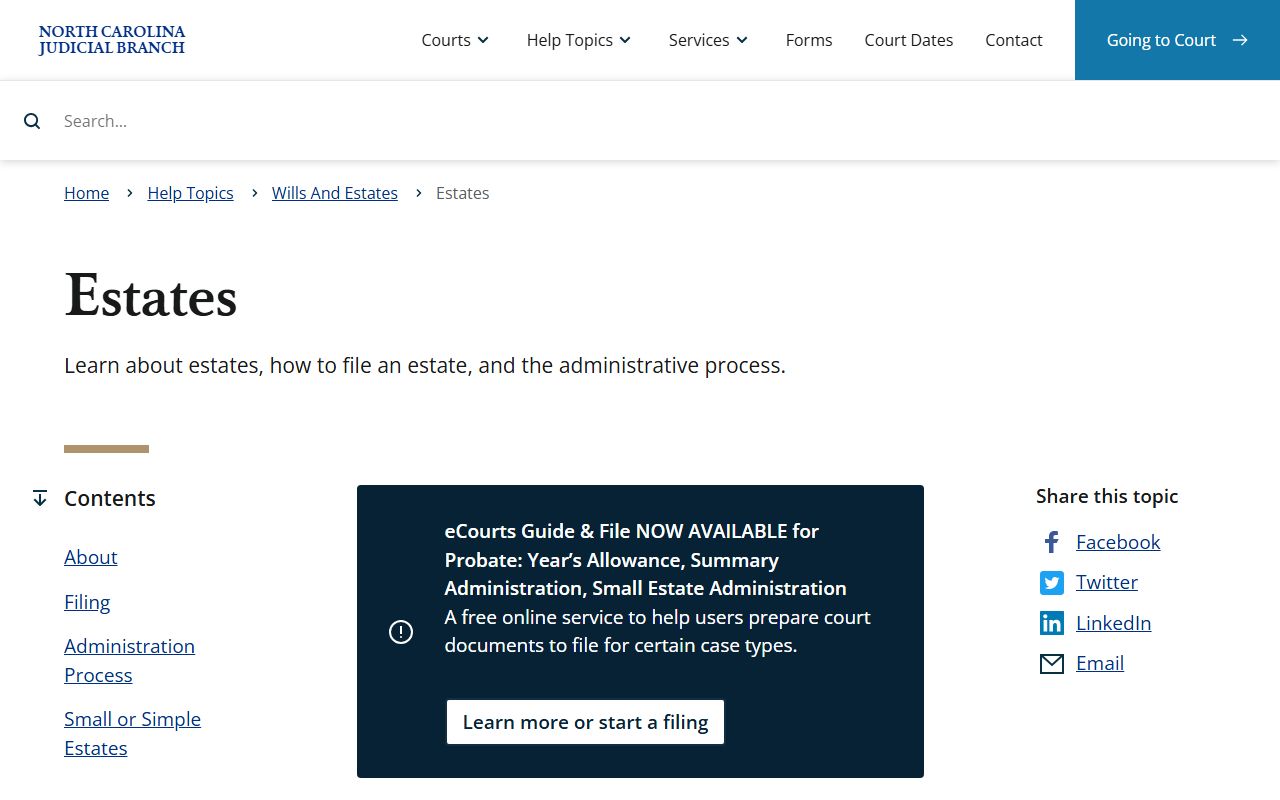
The estates source supports the core probate workflow because it explains will searches, estate administration, and clerk involvement after a death.
Estate files may include an application or petition, a will, codicils, death information, heirs or devisees, executor or administrator qualification, letters testamentary or letters of administration, bond, inventories, accountings, creditor claims, notices, orders, and final settlement or distribution records. These files are different from Register of Deeds vital records, though a death certificate or marriage record may be used as supporting proof in an estate matter.
Estates Division of the Clerk of Superior Court
Union County Judicial Center
400 North Main Street
Monroe, NC 28112
(704) 698-3100
Monday-Friday, 8:30 a.m.-5:00 p.m.
Union County Probate Terms
Probate records use terms that may not appear in a normal civil case. These definitions track the estate and special proceeding language used in the research, with North Carolina terminology kept plain.
- Testator
- A person who made a will before death.
- Executor
- A person named in a will to carry out estate duties after qualification.
- Administrator
- A person appointed when there is no qualified executor or no will controls the estate.
- Intestate
- Dying without a will that controls distribution of the estate.
- Guardianship
- A court-supervised matter involving authority over a person or property when legal capacity issues exist.
- Special proceeding
- A Clerk or Superior Court matter such as estates, partitions, foreclosures, or guardianship-related proceedings.
Search Union County Probate Records
Union County estate information can be searched through several documented channels. eCourts Portal Smart Search may include nonconfidential estate and special proceeding case information when the user filters to Union County. The Judicial Branch also says civil, special proceeding, and estates information can be accessed on public self-service terminals in clerk offices. If an online result is thin, the paper file must be viewed or requested in the county where the case is located.
| Channel | Search or request inputs | Union County note |
|---|---|---|
| eCourts Portal Smart Search | Name or record number, Union County location, case type, case status, file date | Nonconfidential estates are included in advanced filtering options when available. |
| Public terminal | Party name or case search | Clerk office terminals can access estates and special proceedings information. |
| Clerk counter | Decedent name, estate file number if known, approximate date of death or filing | Paper estate files are viewed or requested in the county of filing. |
| Copy request | Case details, document requested, certification need | Copies are provided for a fee based on court cost rules and clerk confirmation. |
- Identify whether the decedent lived in Union County or had property or estate proceedings filed there.
- Search eCourts Portal by decedent name, record number, and Union County location.
- Use estates or special proceedings filters when the Portal offers them.
- If online results are incomplete, use a clerk public terminal or contact the Clerk of Superior Court.
- Ask whether a will was deposited for safekeeping, including whether a prior county of residence may matter.
- For copies, state whether a plain or certified copy is needed and confirm the current fee.
Union County Wills and Estate Files
The state estates help topic says the first step after a death is often to find the will. A will may be in a safe, safe-deposit box, locked drawer, or with the decedent's attorney. A person may also deposit a will for safekeeping with a clerk of court before death. If no will is located in Union County, the research notes that clerks in counties where the decedent formerly lived may need to be contacted.
That county history point matters in a fast-growing area. A person who died while living in Union County may have lived in another North Carolina county when a will was placed for safekeeping. The Union County clerk can help with Union County estate files, but a will deposited in another county may not be found by searching only Union County.
Note: A deposited will and an opened estate file are not the same thing, so ask the clerk which record type is being searched.
Union County Guardianship Records
Guardianship records are court and special proceeding records, but they may include sensitive medical, personal, financial, and competency information. The Judicial Branch guardianship help topic says restoration-to-competency motions are filed with the clerk of superior court in the special proceedings division in the county where the guardianship case is located. Service may be completed by sheriff, certified mail, or another Rule-compliant method.
The North Carolina guardianship source is assigned to Union County probate records.
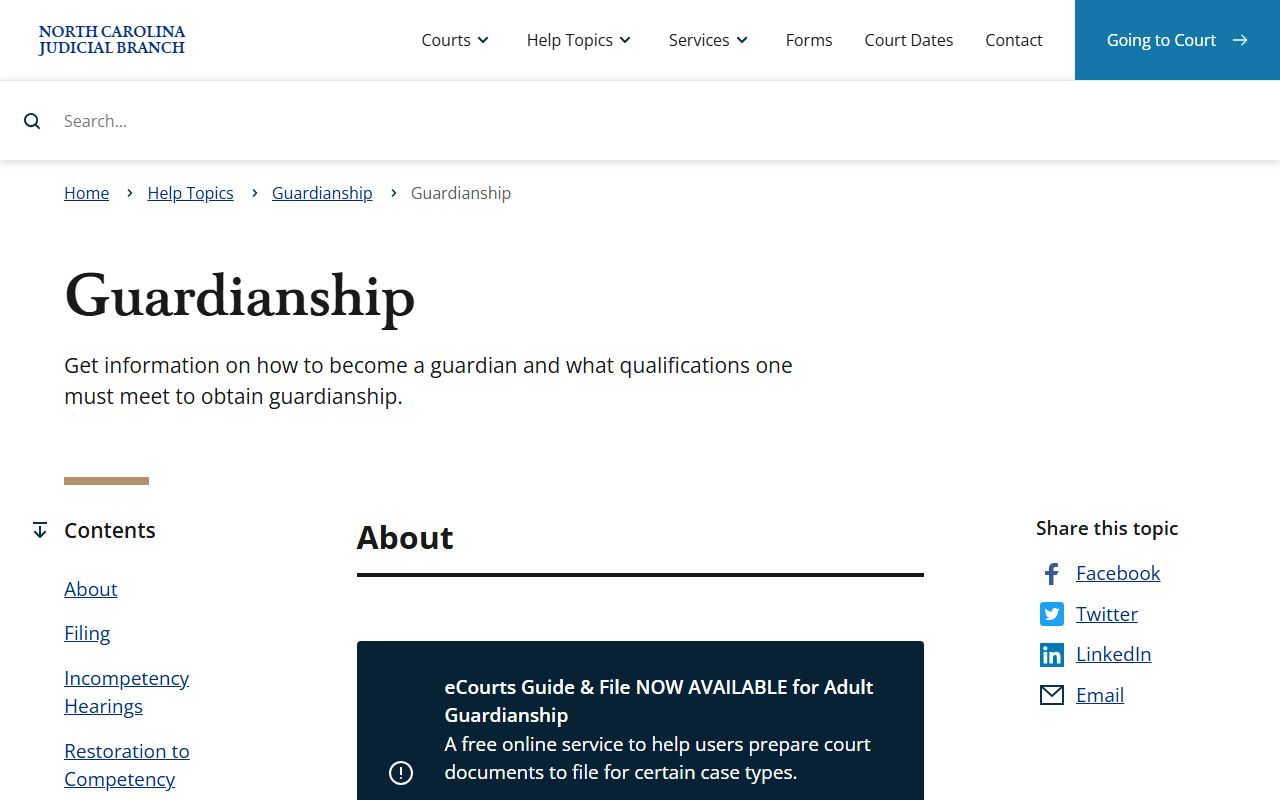
The guardianship source explains why some probate-adjacent records are not treated like a fully open estate index.
When requesting a guardianship or special proceeding file, use the case number if known and identify the exact document needed. Expect some documents to be sealed, redacted, or limited to parties, attorneys, court officials, or those with a court order. Public search access does not mean every attachment, report, medical record, or competency document is open for general copying.
Union County Probate Costs
The research did not capture a Union-specific estate fee amount by line item. It did identify the official North Carolina Current Court Costs publication as the place for civil, criminal, estates, special proceedings, and miscellaneous court-cost charts, updated January 1, 2026. For Union County probate records, confirm the current estate filing, special proceeding, plain copy, and certified copy costs with the Clerk of Superior Court or the current court-cost chart before submitting a filing or copy request.
| Item | Amount or rule |
|---|---|
| Estate filing or administration costs | Use the current North Carolina court-cost chart or clerk confirmation. |
| Special proceedings costs | Use the current North Carolina court-cost chart or clerk confirmation. |
| Plain court-file copies | Fee applies, confirmed by the clerk or current cost chart. |
| Certified estate or court copies | Fee applies, confirmed by the clerk or current cost chart. |
Union County Probate Supporting Records
Estate administration often requires supporting proof, but the custodian may be outside the Estates Division. Union County birth, death, and marriage certificates are Register of Deeds records. Certified vital-record copies are limited to eligible requesters under the vital-record rule cited in the research, while uncertified Union County marriage copies are public-record copies. The Register of Deeds online certificate channel is Permitium, and mail requests go to PO Box 248, Monroe, NC 28111.
The Union County vital records portal source is assigned to Union County probate records.
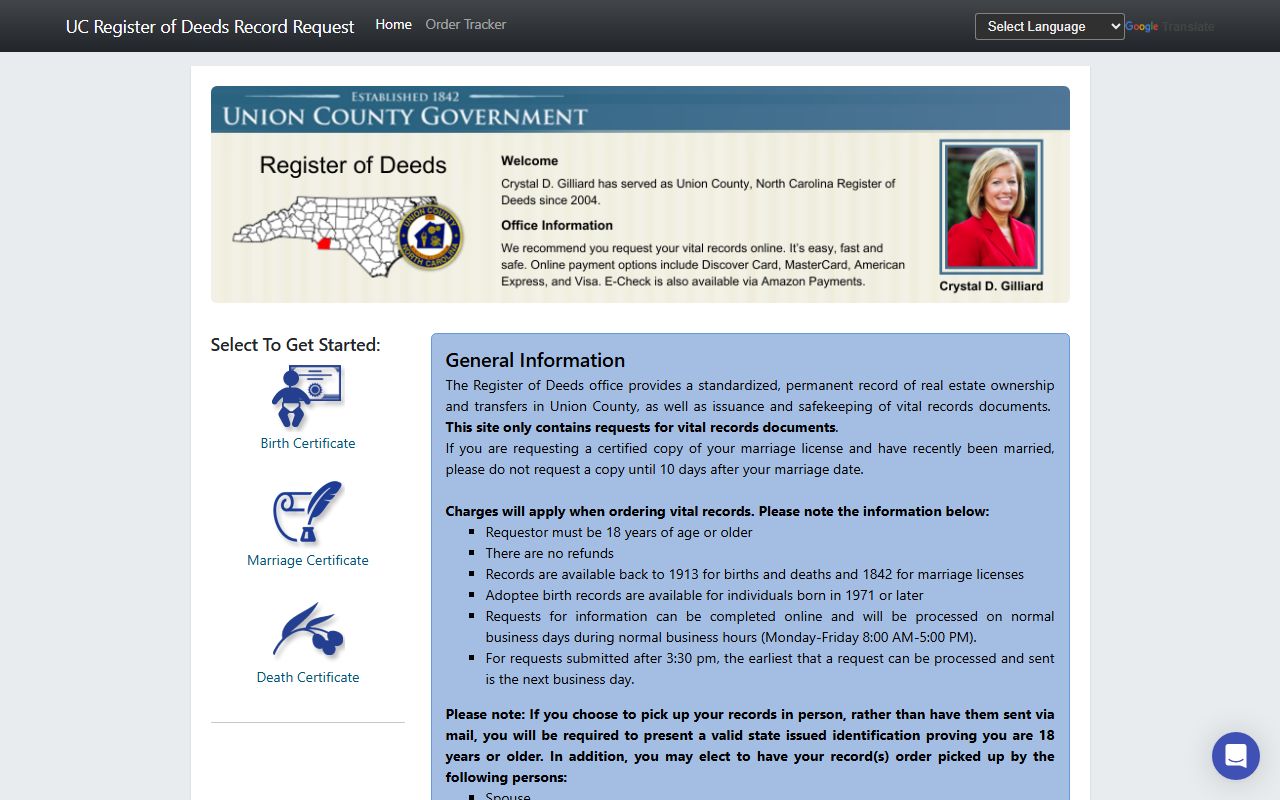
The portal image belongs in this probate context because death and family records can support estate filings while remaining Register of Deeds records.
Union County Probate and Bankruptcy
Most Union County probate records are state court estate records, but a decedent's financial affairs can overlap with federal bankruptcy records in some situations. Federal bankruptcy cases are not maintained by the Union County Clerk of Superior Court. The research identifies the U.S. Bankruptcy Court for the Western District of North Carolina and PACER as the official federal access route.
The Western District of North Carolina Bankruptcy Court source is assigned to Union County probate records.
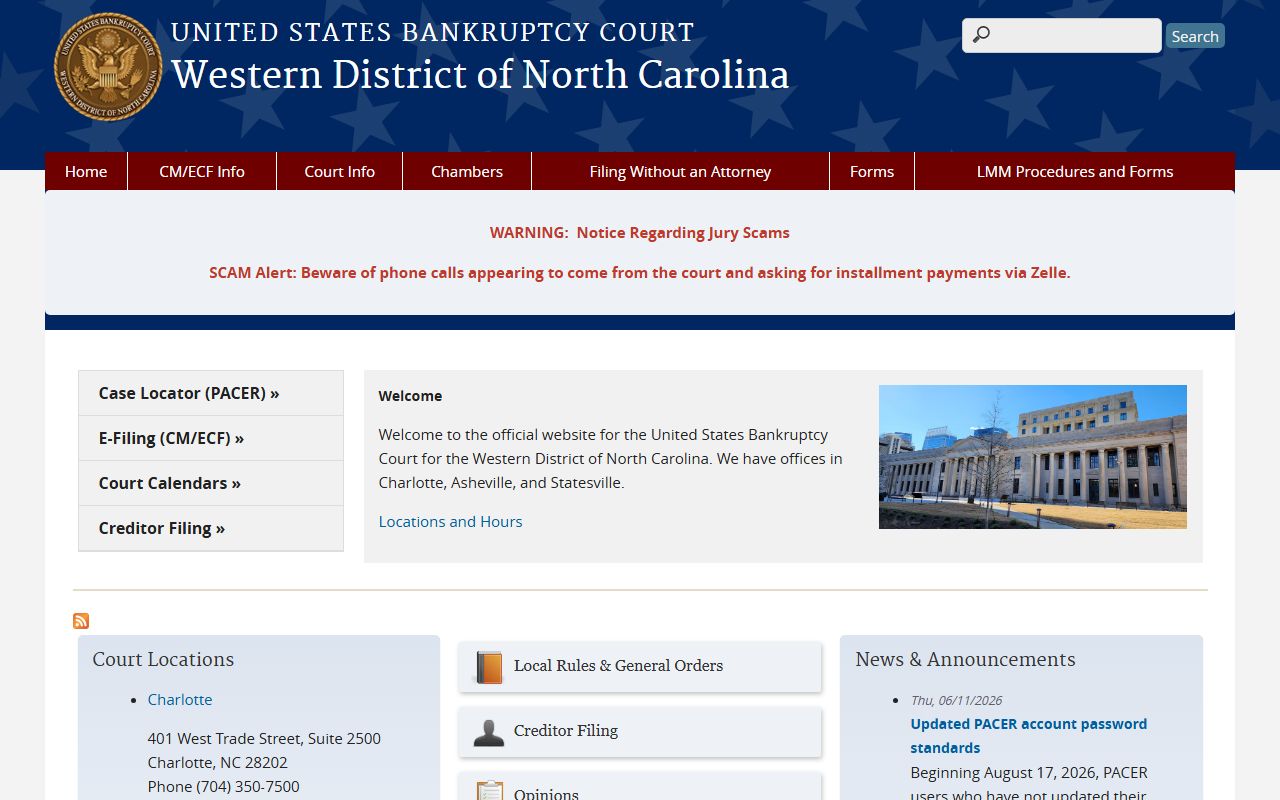
The bankruptcy court source helps separate estate files in Union County court from federal bankruptcy matters that may affect assets or debts.
The PACER bankruptcy lookup source is assigned to Union County probate records.
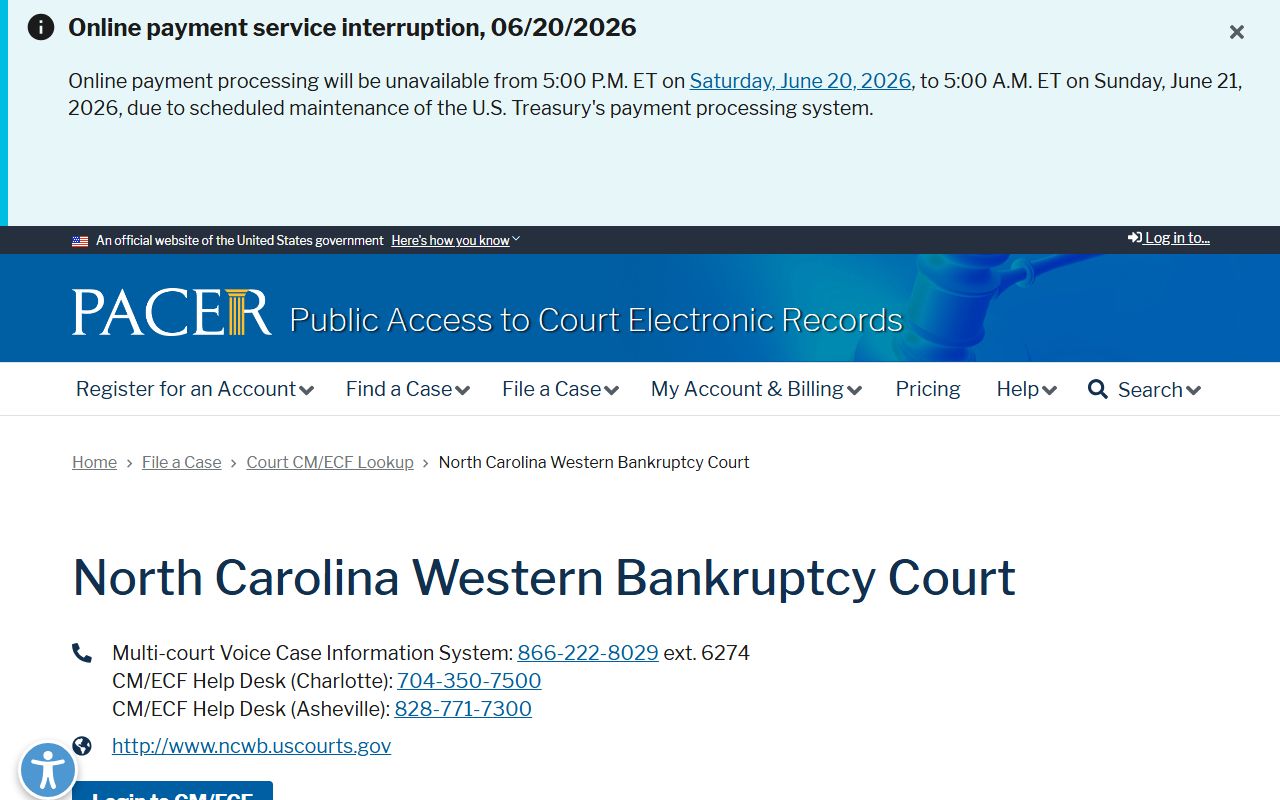
PACER is the federal case lookup route, while Union County estate files stay with the Clerk of Superior Court.
Restricted Union County Probate Records
Public estate access has limits. Guardianship records may include medical, competency, and personal information. Special proceedings may include documents that are restricted by law, sealed by order, or redacted to protect minors, protected addresses, personal identifiers, health information, or confidential financial details. A Portal result or public terminal entry is only an index or case access point; it does not prove that each document in the file can be copied by any requester.
Use the Clerk of Superior Court for case-specific access questions. Use the Register of Deeds for birth, death, and marriage certificates that support estate work. Use the federal bankruptcy court or PACER for federal bankruptcy matters. Keeping those channels distinct reduces delays and avoids sending a sensitive probate request to the wrong office.