
Union County Criminal Court Records
A criminal court record is the case file maintained by the Clerk of Superior Court once a prosecution moves through court. It is not just a booking entry. Union County Sheriff's P2C tools may show an arrest charge, inmate primary charge, wanted-list paper, or daily bulletin event, but the court file is where case numbers, hearings, pleas, orders, judgments, sentencing, and final disposition are tracked.
District Court in Union County handles misdemeanors, infractions, traffic violations, initial criminal matters, and magistrate-related functions. Superior Court handles felony criminal prosecutions, jury trials, and certain transfers or appeals. Both divisions are part of North Carolina's unified state court system, and Union County is listed as Prosecutorial District 30, Superior Court District 30, and District Court District 30.
The official public records definition in G.S. 132-1 is one source used for criminal court records access context.
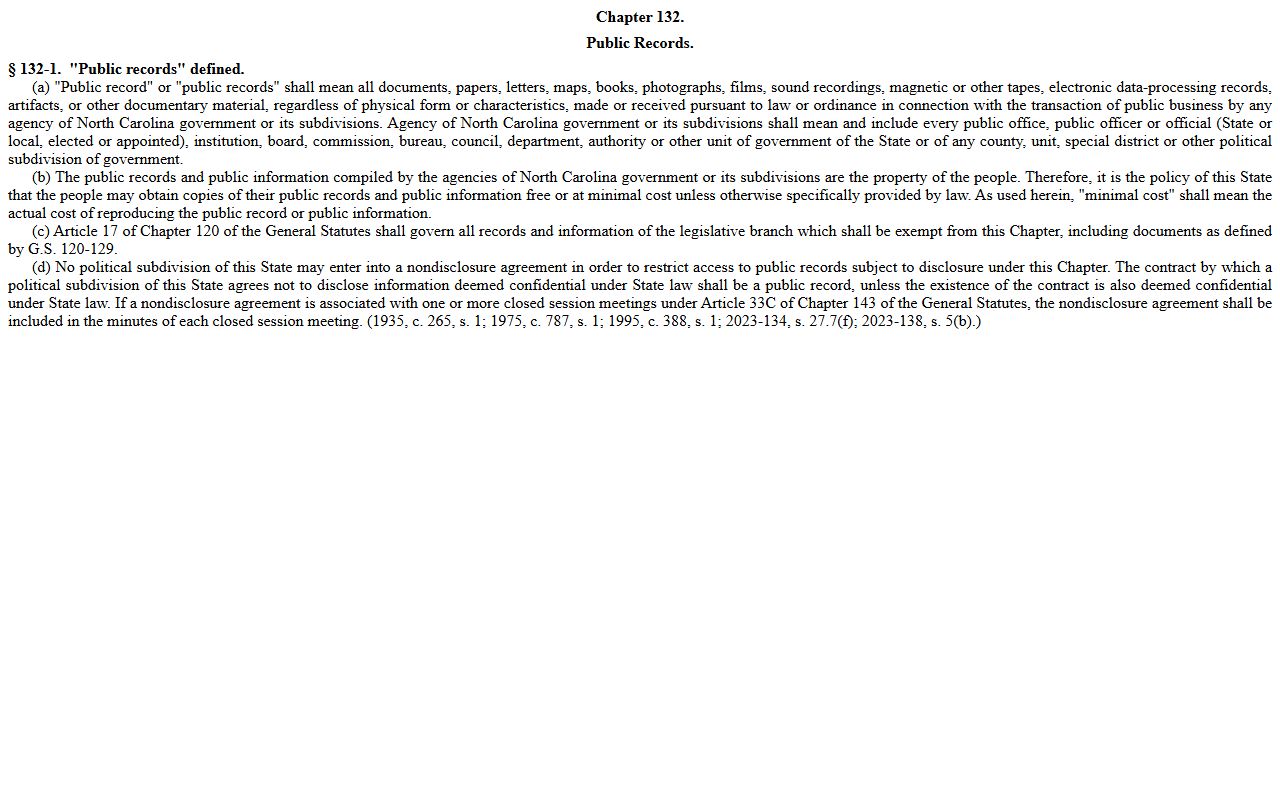
The statute supports public access principles, while court-record statutes and court procedures control how Union County case files are inspected and copied.
Search Union County Criminal Cases
The online search route is eCourts Portal Smart Search. Search by record number or defendant name, then filter by Union County, case type, case status, and file-date range when available. Portal training says criminal actions are included in Smart Search under the public case categories, and public terminals at clerk offices can search criminal information by defendant name, case number, or victim and witness name.
- Start with Smart Search if the case number or defendant name is known.
- Filter to Union County so statewide results do not bury the local case.
- Use case type, status, and file date filters to separate misdemeanor, felony, and older records.
- Open the case summary to read docket entries, hearing history, and disposition information.
- Use Search Hearings for court dates, courtroom settings, attorneys, or judicial officers.
- Ask the Clerk of Superior Court for paper files, certified copies, or unclear Portal entries.
Portal is not recommended by the Judicial Branch as a formal background-check substitute. It is a public court case tool. Users who need official copies or full paper files should use the clerk route. Users looking for current custody should use Sheriff P2C or the jail, while users checking state prison, probation, or parole records should use N.C. Department of Adult Correction resources.
Union County Criminal Case Stages
A Union County criminal case can move through several stages. The docket may begin with a charge, warrant, criminal summons, indictment, or other charging instrument. Magistrate functions can appear early when initial appearances, bond, or pretrial release are involved. Later entries can show arraignment, continuances, motions, plea settings, trial dates, verdicts, judgments, probation, and sentence terms.
Case flow: Charges Filed › Arraignment › Pretrial / Motions › Plea or Trial › Disposition › Sentencing
| Stage | What Happens |
|---|---|
| Charges Filed | The accusation enters the court system through a warrant, summons, indictment, information, or related charging paper. |
| Arraignment | The defendant is advised of the charge and plea issues may be addressed. |
| Pretrial / Motions | Attorneys may file motions, request continuances, address bond, exchange information, or narrow legal issues. |
| Plea or Trial | The case resolves by plea, trial, dismissal, or another court action. |
| Disposition | The court records the outcome for the charge or case. |
| Sentencing | The judgment may set fines, costs, probation, confinement, conditions, or other terms. |
What Union County Criminal Records Show
The criminal case file can contain more than a public search result. Research notes list charging instruments, indictments, warrants after return, criminal summonses, pleas, sentencing, probation conditions, failure-to-appear entries, bond and pretrial release papers, courtroom minutes, orders, notices, and financial obligations. A Portal result may show enough to identify the case, but the paper file may be needed for complete review.
| Field | What It Shows |
|---|---|
| Case Number | The identifier used for Portal searches, clerk terminals, hearings, and copy requests. |
| Defendant | The person charged in the criminal court case. |
| Charges | Offenses filed with the court, which may change as the case moves forward. |
| Bond / Release | Pretrial release terms, secured or unsecured bond, written promise, or related conditions when in the file. |
| Hearings and Motions | Scheduled appearances, continuances, filings, orders, and court events. |
| Plea or Verdict | The defendant's plea, trial result, dismissal, or other court outcome. |
| Disposition | The final result for a charge or case, such as guilty, dismissed, not guilty, responsible, or disposed. |
| Sentence | Judgment terms, probation, confinement, costs, fines, or conditions when public. |
Union County Criminal Court Roles
The District Attorney prosecutes state criminal charges in Union County. Research notes identify Prosecutorial District 30 and list the District Attorney office at the Union County courthouse with phone and fax contacts. The DA decides many prosecution issues after law enforcement brings charges, appears in criminal court, handles plea negotiations, and works with victims and witnesses.
Indigent defense is handled through Union Defender District 30. Public defense information can matter in criminal court records because appointment of counsel, attorney of record, and indigency status may appear in dockets. The Clerk of Superior Court remains the record custodian for the case file, while the sheriff and police maintain separate law-enforcement records tied to arrests, custody, warrants, and incident data.
| Office | Criminal record role | Contact route from research |
|---|---|---|
| Clerk of Superior Court | Maintains court files, docket records, terminals, and copies | (704) 698-3100 |
| District Attorney | Prosecutes charges and handles plea and trial matters | (704) 698-3110 |
| Public Defender | Represents eligible defendants and appears in case records as counsel | (704) 698-3310 |
| Magistrates | Handle initial appearances, bond, and related District Court functions | (704) 292-2746 |
Union County Charges vs Convictions
A charge is an accusation. A conviction is a result after a plea, verdict, or judgment. Union County criminal court records can show charges that are amended, reduced, dismissed, dropped, resolved by plea, or tried. That is why a court records user should read the disposition and sentence fields instead of stopping at the first charge entry.
| Point | Charge | Conviction |
|---|---|---|
| Meaning | An offense allegation filed with or reflected in court | A legal outcome after plea, verdict, or judgment |
| Timing | Appears near the start of the case | Appears after court action resolves the charge |
| Record reading | Check for amendments, reductions, or dismissals | Check sentence, probation, costs, and final disposition |
For a closer look at arrest-to-charge entries, use the court charge records page. For the full case file and outcome, stay with the criminal court record.
Sealed and Expunged Criminal Records
Juvenile criminal matters are not ordinary public criminal case files. G.S. 7B-3000 governs juvenile court records and supports restricted treatment. Sealed records are hidden from public view by law or court order. Expunged records are removed from public access according to an order and statute.
| Point | Sealed | Expunged |
|---|---|---|
| Public visibility | Hidden or restricted from ordinary public search | Removed from public access after the expunction order |
| How it happens | By statute, court order, confidentiality rule, or case type | By petition or statutory process when eligibility exists |
| Union County route | Ask the Clerk of Superior Court about access limits | File eligible petitions in the county of the case |
The official N.C. expunction help topic explains the broad process for clearing eligible records.
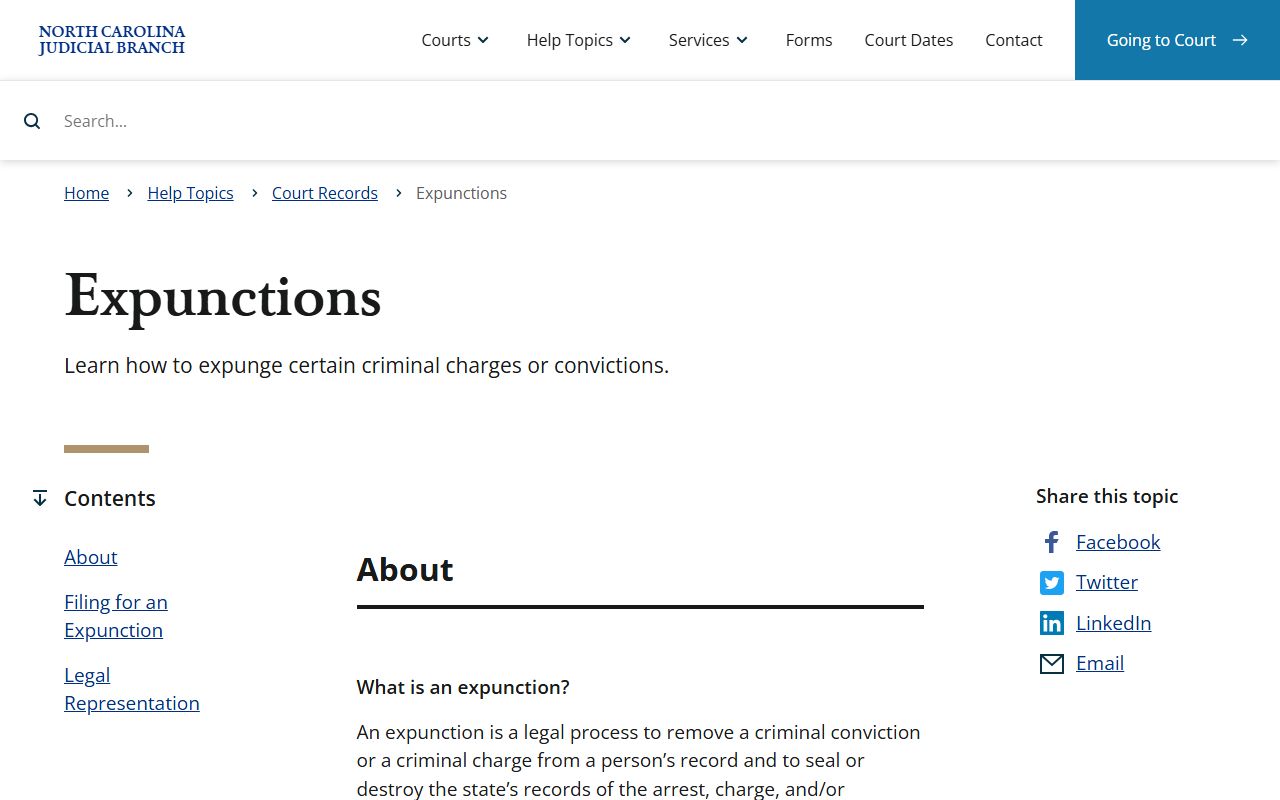
Eligibility depends on the charge, outcome, timing, offense history, and the statute that applies to the Union County case.
Public Access to Union County Criminal Records
Criminal court case files are generally public unless restricted, but law-enforcement investigation files are different. G.S. 132-1.4 creates special rules for criminal investigation and intelligence records. A public court case, a P2C arrest listing, and an investigative file are separate records with separate access rules.
Key Statutes:
G.S. 7A-109 - clerks maintain court records, dockets, files, and indexes open for inspection unless law restricts them.
G.S. 132-1.4A - law-enforcement recordings use a special disclosure process rather than ordinary case search.
The source for law-enforcement recording disclosure is useful when a criminal case involves body camera or other recording requests.
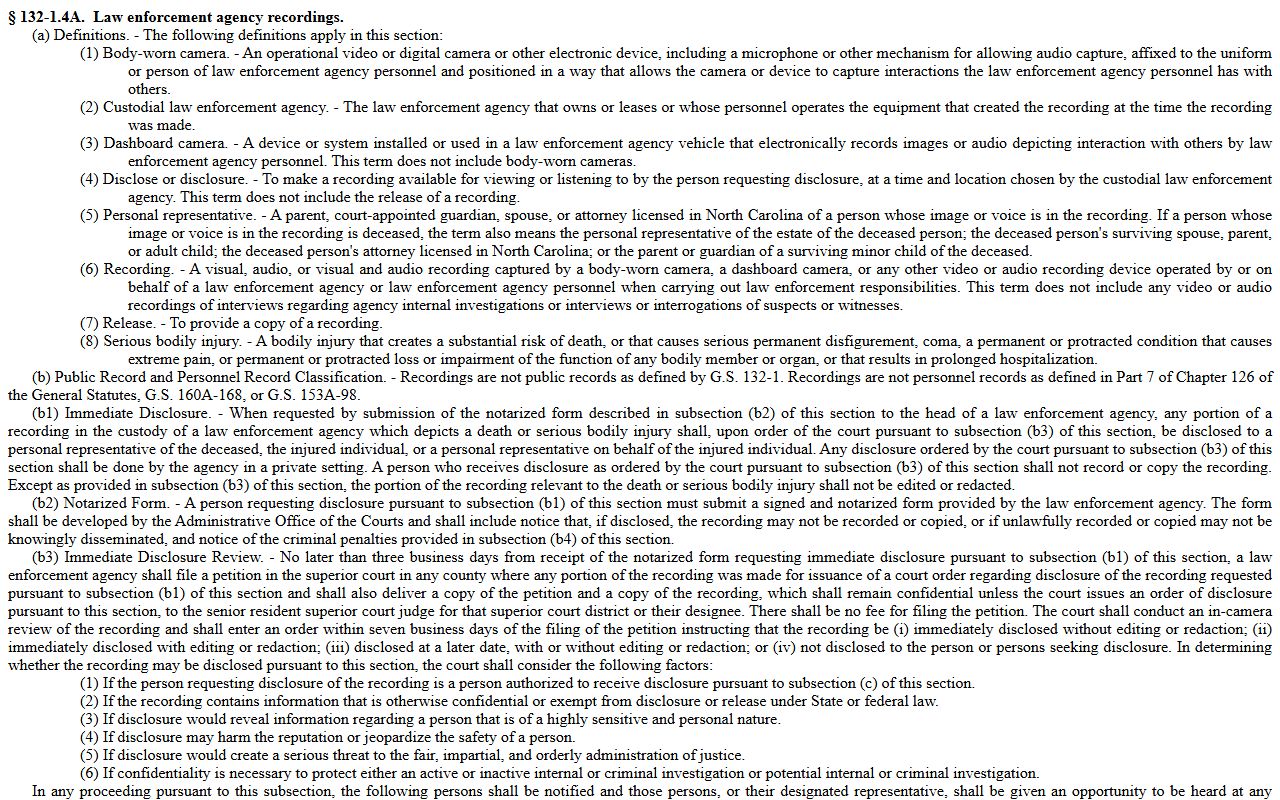
That process should not be confused with searching Union County criminal court records for dockets, pleas, orders, and judgments.
Restricted Union County Criminal Records
Restricted criminal records include juvenile matters, sealed files, expunged records, certain victim information, protected addresses, personal identifiers, and active investigative records. A returned warrant or filed criminal pleading may have different access treatment than an active investigation, a sealed warrant, or law-enforcement intelligence material.
For a Union County criminal case, first identify the exact case number and disposition through Portal or the clerk. Then ask the Clerk of Superior Court which public copies are available. If the issue involves arrest data, custody, or a wanted-list entry rather than the case file, the Sheriff's Office or P2C tool may be the better first stop. If the issue is current court date, Search Hearings is the better Portal module.
Important: Do not treat an arrest charge or wanted-list entry as proof of conviction without reading the court disposition.